

PETRO CHEMICAL TECHNOLOGY

Top Colleges
1 |
University Departments of Anna University of Tech. TiruchirapalliTNEA Code : 3011 Location: Tiruchirappalli |
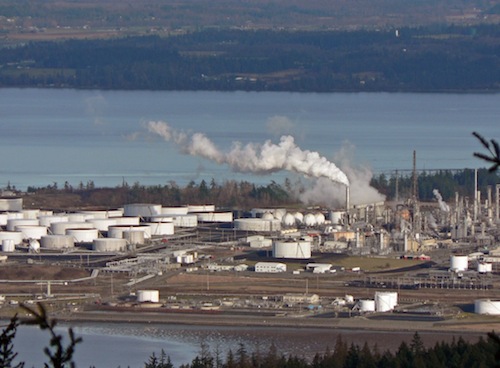
B.E. Petrochemical Technology is an undergraduate Petrochemical Engineering course. Petroleum engineering is the field of engineering science that involves locating and accessing reserves of natural gas. The course includes subjects like Reaction Engineering, Heat Transfer, Mass Transfer, Fluid Dynamics, Thermodynamics, Transport Phenomena are bridged with special subjects like Petrochemical Processes, Refinery operations with due weight-age on Numerical Computation Process Control, Modeling & Simulation.
Course contents, professional training program, projects and other assignments are designed to prepare the graduates to launch their careers in India and overseas in oil and gas companies. Petrochemical engineers plan, supervise and improve all Petrochemical-producing operations, from exploration, exploitation and development to abandonment. The duration of the course is four years and it is divided into 8 semesters.
How is B.E. Petrochemical Technology Course Beneficial?
-
The course is beneficial to supervise and improve all Petrochemical-producing operations, from exploration, exploitation and development to abandonment.
-
You will also learn about specific upstream activities that encompass exploration, reservoir and production.
- Also beneficial for further studies such as M.E. and then for further research work.
B.E. Petrochemical Technology Job Types
-
They might focus on economics, helping a team determine the optimum number of wells appropriate for a given operation.
-
After completing the course they may focus on safety issues, or maintenance support, identifying and planning upgrades of equipment or systems.
-
A Petrochemical engineer may choose to teach, or to serve as a consultant to investors, banks, or other financial services firms.
-
Graduates could become drilling engineers, working with geologists and contractors in designing and supervising drilling operations, or could become production engineers, developing processes and equipment to optimize oil and gas production.
- Graduates could also find themselves working as managers, entrepreneurs, economists, seismologists, oil and gas analysts, or environmental/safety specialists.

Disclaimer
- The above information is based on
- estimates,
- data gathered from public sites
- mandatory disclosure of the colleges
- We don't guarantee accuracy of information
- We don't guarantee admission to the colleges
- Use it as a tool to narrow your search